

From China-to-Japan to Japan-to-the-World: My 2025 E-commerce Retrospective
1,025 Days in Japan
2025 is destined to be a year marked in bold ink in my personal almanac.
If 2023 was the year my family physically moved to Japan, and 2024 was a year of stumbling in the dark for a new career path, then 2025 was the year I finally found the compass. I discovered the general direction and, more importantly, identified the specific track to run on.
When you have a purpose and focus, time accelerates.
The False Starts: Amazon, Etsy, and the Tariff Wall
My journey began with frustration. Starting in July of last year, I tried to register as a seller on Amazon Japan. I was rejected three or four times. By the end of the year, I activated my "Plan B," registering for a Japanese independent site (Base) and setting up social media accounts.
In early 2025, I heard that Etsy was friendly to Japanese entities. After a month of research and paperwork, I successfully opened my shop in February.
March arrived. Just as I was diving into product selection, shop decoration, and learning the Etsy algorithm, geopolitical reality struck. Trump took the stage, and the tariff hammer came down hard on cross-border sellers.
"Country of Origin = China."
For a seller, this was the worst possible tag.
But life has a funny way of balancing the scales. Just as the door to Etsy seemed to close due to tariffs, my Amazon Japan account—dormant and previously rejected—was suddenly approved.
The Amazon Struggle
My account manager urged me to list products. I had samples and packaging materials piling up in my office from the previous year. So, I paused Etsy and went all-in on Amazon.
Thanks to a year of studying operations in 2024, the launch wasn't too difficult, but the results were underwhelming.
I realized a hard truth: Without a supply chain advantage, selling low-ticket, high-margin goods in Japan is incredibly difficult. Japan has high shipping costs, and sourcing homogenized goods from Chinese wholesale sites (like 1688) made it impossible to differentiate myself from competitors.
I then flirted with TikTok Shop Japan. I secured an invitation code in June and opened a shop smoothly. However, after deep research, I realized TikTok wasn't suitable for a "mom-and-pop" operation like ours. It required inventory, video production, live streaming, and ad spend. The learning curve was steep, and high traffic means nothing if you can't capture it.
The Pivot: Discovering eBay
By July, I was back to optimizing Amazon. But rumors of changes to the "Business Manager Visa" began to circulate. While others panicked, I looked for new opportunities.
In August, a friend suggested eBay—a platform I considered a "digital antique." I’d heard of it, but never used it.
After one phone call understanding the logic, and leveraging my existing Payoneer account, I opened an eBay store in just one week.
This changed everything.
September was chaotic. New US tariff policies on packages under $800 and eBay's platform-wide DDP (Delivered Duty Paid) adjustments hit hard. Logistics stalled; traffic dropped. Sellers and buyers alike were confused.
But thanks to a supportive community and AI tools, we deciphered the new policies, adjusted our logistics, and updated our pricing models.
By October, we recovered. In my first month of serious sales on eBay, revenue exceeded $3,000 USD.
To put that in perspective: My Amazon Japan store, running from April to August, never once exceeded 300,000 JPY (approx. $2,000 USD) in a single month. eBay beat my Amazon record in its first month.
The Strategic Shift
This success forced me to compare the two business models:
- Amazon Japan: Import from China → Sell to Japan.
- eBay: Source in Japan → Sell to the World.
I realized eBay aligned perfectly with the "Three Principles of Work" I had been searching for since moving here:
- Sustainability: A long-term business, not a short-term trend.
- Geopolitical Safety: Less affected by China-Japan relations.
- Resilience: Minimal impact if regional conflicts arise.
Hidden Condition: Earn USD over JPY; Earn JPY over CNY.
eBay’s model fit this perfectly. And honestly, having struggled through Amazon, Base, Etsy, and TikTok made the eBay process feel incredibly smooth. No path in life is ever wasted.
The Result: Hyper-Growth
Seeing the potential, I went all-in for Q4.
In November, revenue doubled to $7,000 USD.
It wasn't without issues, but it was the smoothest platform experience I've had this year.
Now, in December, I’ve started helping others. I launched "EasySeller," a coaching service, and took on my first two students to guide them through the setup process.
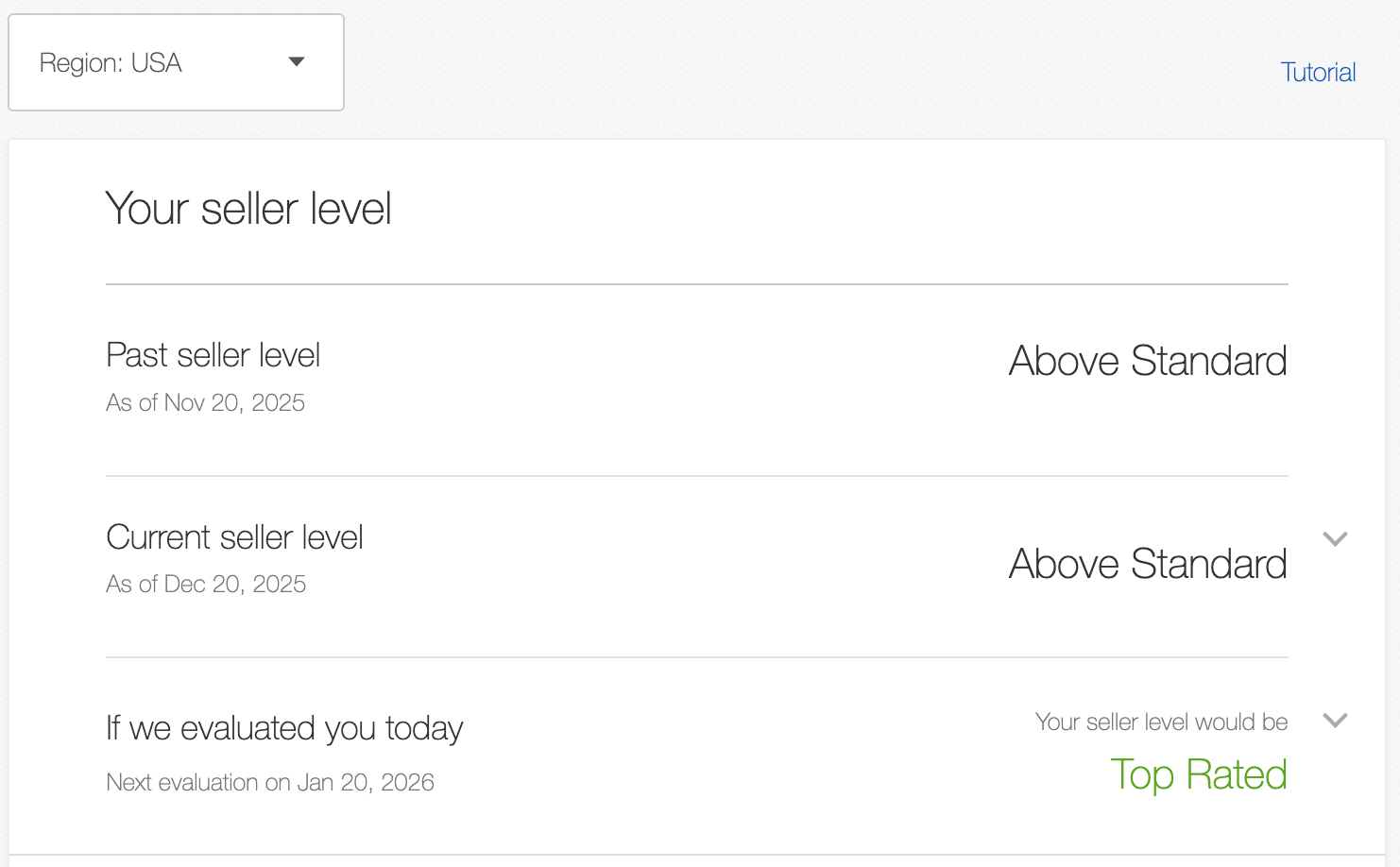
By December 21st, I received the validation I was waiting for: I am on the verge of becoming a Top Rated Seller. From opening in late August to a gold badge in January—it’s been a wild ride.
Reflections on 2025: Slow is Fast
Looking back, 2025 was full of twists and turns. But the main thread remained unbroken: I kept moving, iterating, and testing the e-commerce waters.
I’ve learned that hearing about something is never as good as doing it yourself.
- 1 Month: To know if you fit the platform.
- 3 Months: To know if you can do it well.
- 6-12 Months: To make it profitable and smooth.
Over the last few years, I’ve come to understand a simple truth: Slow is fast.
Many steps require waiting. You need patience to get the correct result. I spent time and money on different platforms, and I accept that cost. Without trial and error, you never know what "right" looks like.
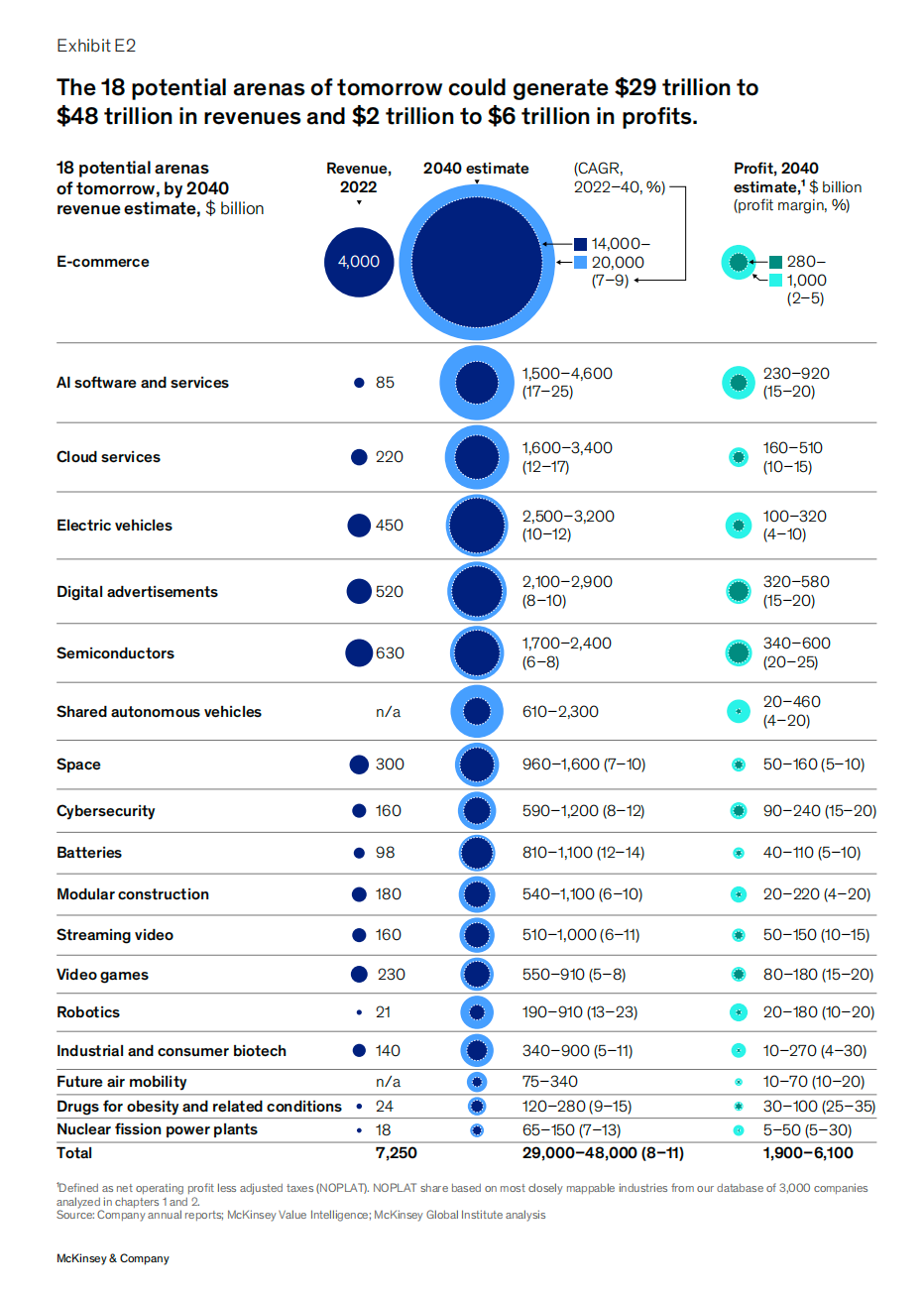
2025 was my official transition into e-commerce. With the wind at my back and confidence from industry reports (like McKinsey’s), I know this track has a future.
Do, learn, optimize. I believe I can make it happen.
Here is the Chinese Version.